Profile
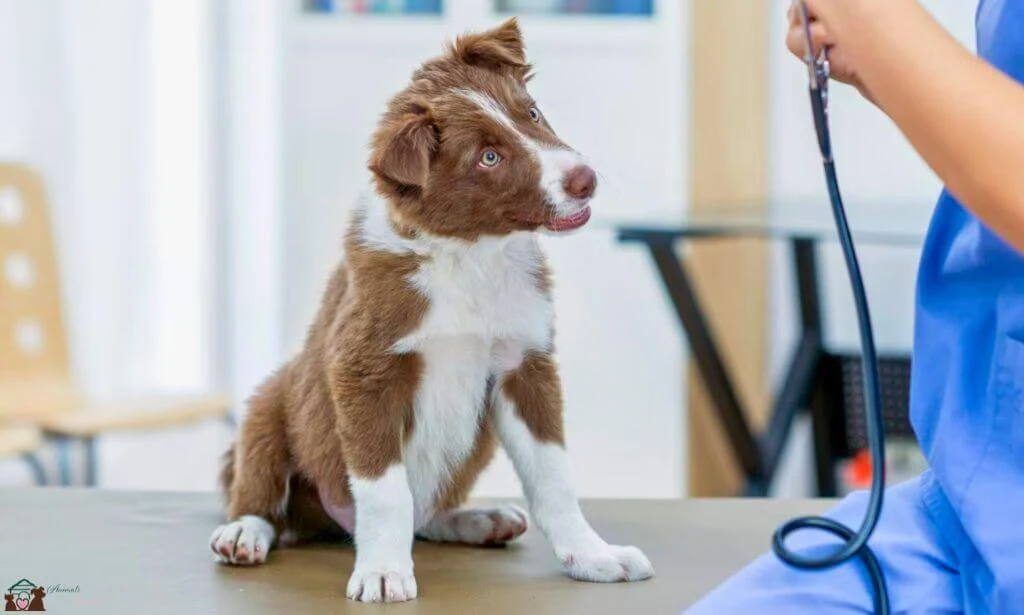
Bringing home a new puppy is a whirlwind of joy, cuddles, and… a little bit of chaos. Between the playful nipping, house-training adventures, and figuring out their favorite toy, it’s easy to feel overwhelmed. But amidst all the excitement, one appointment stands out as the most important step you can take for your new best friend’s long-term health: the first vet visit for puppy.
This initial check-up is about so much more than just shots. It’s the foundation of your puppy’s lifelong health, a chance to get expert answers to all your burning questions, and a critical opportunity to help your pup build positive associations with the vet. Think of it not as a scary chore, but as the first official act of responsible pet parenthood. This comprehensive guide will walk you through every single detail, ensuring you feel confident, prepared, and ready to make that first vet visit for puppy a resounding success.
Why This First Vet Visit For Puppy is Non-Negotiable
You might be wondering, “My puppy seems perfectly healthy, why the rush to the vet?” It’s a fair question. But even the most energetic and playful puppy can have underlying health issues that aren’t visible to the untrained eye. This first vet visit for puppy is a proactive, preventative health measure. Here’s a breakdown of why it’s so crucial:
Establishing a Health Baseline: The vet will record your puppy’s weight, temperature, heart rate, and overall condition. This information becomes their personal health baseline, a vital reference point for spotting any future changes or concerns.
Early Disease Detection: Vets are trained to spot subtle signs of congenital defects, parasites, or other illnesses that you might miss. Catching problems early can save you money, heartache, and, most importantly, save your puppy from discomfort.
Initiating Vaccinations: Puppies are vulnerable to a host of dangerous diseases. This first visit is where their vaccination schedule begins, building their immune system’s defenses against threats like Parvovirus, Distemper, and Rabies.
Parasite Prevention: Nearly all puppies have intestinal parasites like roundworms or hookworms, which they can get from their mother. The vet will check for these and other pests like fleas and ticks, starting your pup on a safe prevention plan.
Building a Relationship: This visit isn’t just for the puppy; it’s for you and the vet. It’s your chance to build a trusting relationship with the professional who will be your partner in your pet’s care for years to come.
Map
Sorry, no records were found. Please adjust your search criteria and try again.
Sorry, unable to load the Maps API.